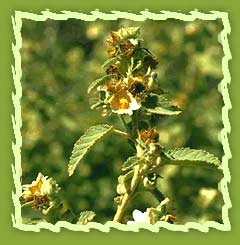
Parts offered
We are wholesale suppliers and exporters of :-
Madder Roots
Description
A very variable prickly or scabrous climbing perennial herb with long
cylindric, flexuose, smooth reddish , roots and 4-angled rough stems and
branches, leaves very variable 2-8 in a whorl often only 4.
Cordate-ovate-lanceolate, 5-7, ribbed, scabrous above, base rounded or
slightly cordate, petioles very long, provided with sharp recurved prickles
on the edges, stiplues absent, flowers white, greenish yellowish or reddish,
sweet-scented, small in terminal panicled glabrous cymes, fruits globose or
slightly 2-lobed fleshy, smooth, purplish black when ripe, seeds two ,small.

Chemical Constituents
Coloring metter in the roots is a mixture of purpurin and munjistin. Roots
also contain small amounts of xnthopurpurin and pseudopurpin, Muistin,
alizarin and its glucoside in plant.
Cosmetic Uses
Turmeric
is natures internal cosmetic. It is an excellent natural antibiotic which
strengthens digestion and helps improve intestinal flora. Turmeric purifies
the blood, stimulates the formation of new blood tissue, promotes proper
metabolism by correcting both excesses and deficiencies. Turmeric helps
counteract, pimples, acne, boils, skin diseases, pale skin, anemia. It is an
inexpensive and indigeneous beauty aid. Considerable quantities of turmeric
are converted as 'kumkum' used for tilak by Indians. Smearing with turmeric
paste cleans skin and beautifies it. Its antiseptic and healing properties
prevent and cure pimples. Turmeric is the major ingredient in curries and
curry powders, contributing flavour as well as the characteristic yellow
colour. It is also used in chutneys and pickles. In South East Asia, the
fresh spice is much preferred to the dried. Turmeric has been used to add
color in foods and cosmetics. It has a refreshing peppery taste and scent
and goes well in salad dressings, adding a beautiful, yellow color.
Turmeric Extract has been used traditionally improve skin complexion,
promote proper metabolism, increase energy, eliminate diseases caused from
weakness of blood.
Uses
The roots are sweet, bitter, astringent, thermogenic, anti-inflammatory,
antiseptic, digestive, carminative, constipating, antidysenteric,
anthelmintic, depurative, vulnerary, emmenagogue, diuretic,
galacto-purifier, alterant, phthlamic, febrifuge, rejuvenating and tonic.
They are useful in vitiated conditions of kapha and pitta, rhematoid
arthritis, neualgia, cephalagia, dyspepsia, flatulence, colic, diarrhoea,
dysentary, helminthiasis, leprosy, skin diseases, leucoderma, pruritus,
wounds , ulcers amenorrhoea, dysmenorrhoea, strangury, ophthallmoopahty,
intermittent levers, pharyngitis, cough, diabetes, discolouration of the
skin, slow healing of broken bones, tubercular conditions of the skin and
mucous tissue, otopathy, urethrorrhea, haemorrhoids, jaundice, hepaatopahty,
spolenopathy, arthralgia, leucorrhoea, pectoral diseases and general
debility.