Parts offered
We are wholesale suppliers and exporters of :-
Natural Tea Tree Oil,
Tea Tree Leaves
Description
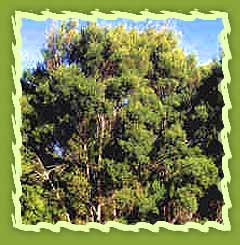
Tea Tree an evergreen reaching 7 m, with laters of papery bark, pointed tea tree leaves and white flower spikes.
Chemical constituents
Natural Tea Tree Oil is volatile oil, terpinen-4-ol-40%, gamma-terpinene 24%, alphaterpinene 10%, cineol 5%.
Medicinal Uses
Tea Tree Oil is antisceptic, Anti bacterial, Anti fungal and Immune stimulant.

Cosmetic uses
The compounds in natural tea tree oil benefit the skin and are non-irritating. The
tea tree essential oil contains several important compounds, including terpines, cymones,
pinines, terpineols, cineol, sesquiterpenes, and sesquiterpene alcohols. Tea
tree oil is nice to have on hand for its proven abilities. Natural tea tree oil recommended for external use only in poultices and other skin cleansing applications.
Those properties make tea tree essential oil a popular ingredient in shampoos, creams, skin cleansers, and other external cosmetic applications. Tea tree leaves are widely used in Facial Treatments, Hair Care, Nail Care, Oral Hygiene, Personal Hygiene,
Shaving, Skin Care. Use natural tea tree oil after waxing or ear piercing to sanitise and
anaesthetize. Excellent Natural Preservative.
Tea Tree Oil has a long history of use as an herbal medicine. In recent
years, biochemists and aromatherapists defined the therapeutic nature of tea
tree essential oil, and as a result, tea tree has become widely popular as
an alternative remedy.
The key to natural tea tree oil's medicinal effectiveness is two chemical
constituents found in the oil -- cineole and terpinen. Although both are
bactericidal and germicidal, cineole can be a powerful skin irritant.
Therefore, tea tree oils with low cineole and high terpinen contents are
preferred. Because the terpinen found in tea tree oil is so mild, it can
soothe cuts, scratches, sunburn and cold sores. Since it is non-irritating,
you can apply a single drop of the oil directly to minor injuries once or
twice a day. Some of the most effective aromatherapy uses for tea tree oil
are cosmetic in nature.